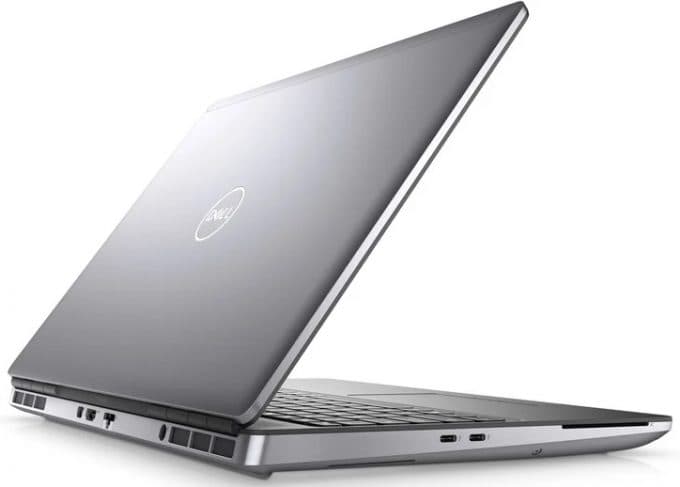
Excellent Refurbished
Dell · Precision
Dell Precision 7560 - RTX A4000 8GB Workstation Laptop - Excellent
Intel Core i7-11850H · 32GB RAM · 512GB SSD
15.6" · Touch · Windows 11 Pro
Dedicated graphicsS$1,310.00
From S$110/mo
✓ Up to 6-month warranty


Buying Guides
Used, refurbished and open-box laptops can look similar in a listing, but they are not the same buying experience. Here is what each term usually means, what you should check and which option makes sense for you.
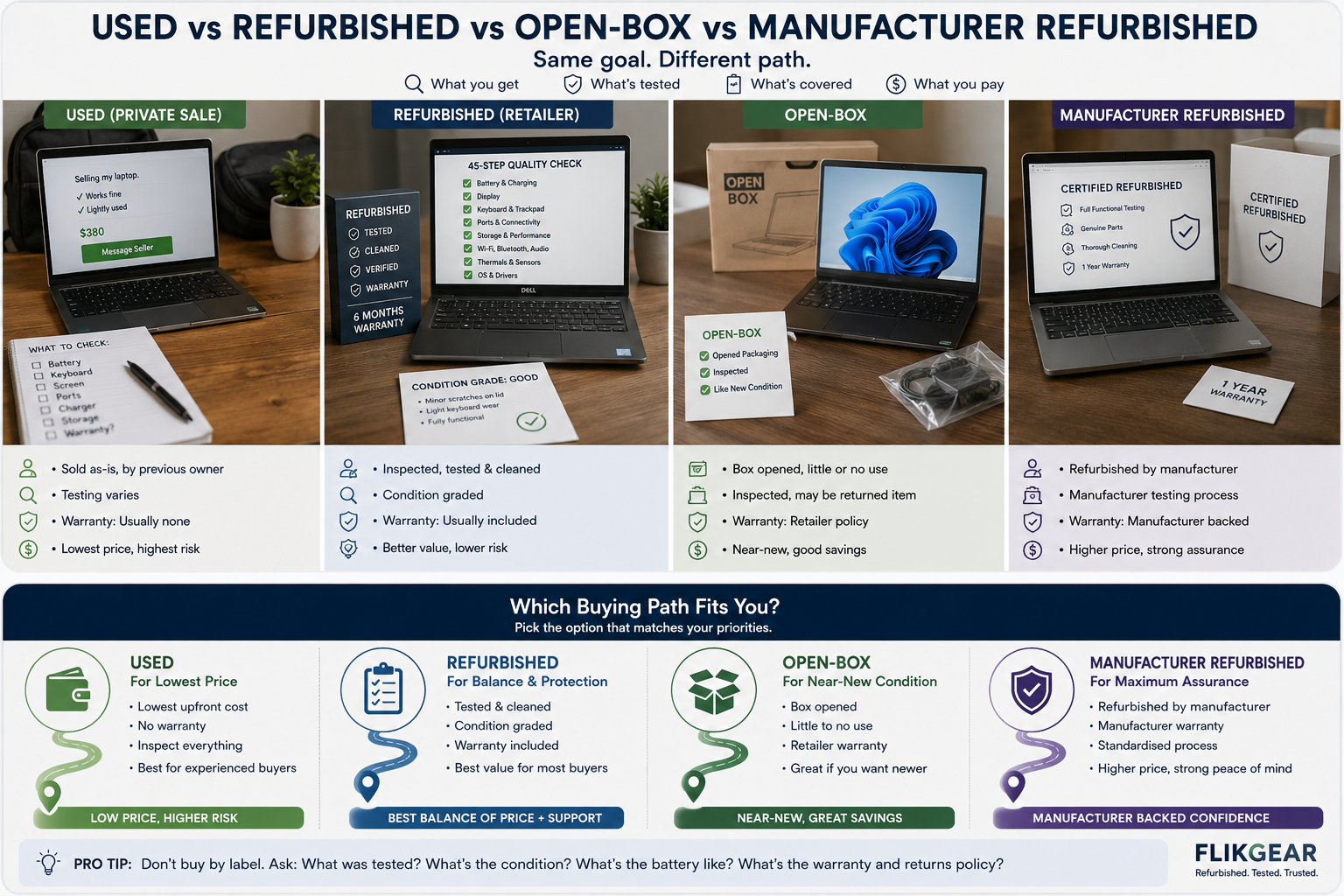
You find three laptops online.
All are the same model.
One says:
Used
Another says:
Refurbished
The third says:
Open Box
Naturally, the prices are different.
Also naturally, everybody claims theirs is in "excellent condition".
Helpful.
The important thing is that these labels usually describe different buying situations, but there is no single global rule forcing every seller to use them in exactly the same way.
So instead of trusting the label, look at the process behind it.
Here is the simple version:
The safest question is not:
"What label is on the listing?"
Ask:
"What was tested, what condition is it in, what is the battery like, and what happens if something goes wrong?"
That tells you much more.
| Type | Typical history | Testing | Cosmetic wear | Battery | Warranty |
|---|---|---|---|---|---|
| Used | Previously owned | Varies greatly | Can vary greatly | Used | Often limited or none |
| Refurbished | Previously owned or deployed | Should be inspected and tested | Graded or disclosed | Used or replaced | Often seller warranty |
| Open Box | Opened, returned or display unit | Usually inspected | Often minimal | Usually lightly used | Depends on seller |
| Manufacturer Refurbished | Returned or previously used device processed by manufacturer | Manufacturer process | Usually controlled standard | Checked or serviced | Manufacturer programme |
These are typical patterns, not universal rules.
Always read the actual listing and warranty.
A used laptop is the broadest category.
It simply means somebody owned or used the laptop before you.
That could be:
There is nothing inherently wrong with buying used.
In fact, some of the best deals can come from private sellers.
But you often take on more responsibility for checking the machine yourself.
And, importantly:
What happens if it stops working tomorrow?
For a private sale, the answer may simply be:
"Sorry bro, was working when you collected."
That is why price alone cannot be the comparison.
A private used laptop can be attractive when:
This can work particularly well for experienced buyers.
If you know how to check battery reports, BIOS settings, ports, storage health and Windows activation, you can sometimes find excellent value.
It may be a poorer fit when:
Meeting someone at an MRT station is convenient.
Discovering three days later that the USB-C charging port only works when the cable is held at a 17-degree angle is slightly less convenient.
If buying privately, use our 12 Red Flags When Buying a Refurbished Laptop in Singapore guide before paying.
A refurbished laptop has normally gone through some form of preparation before being resold.
That may include:
The key phrase is:
may include.
There is no magical Refurbishment Police arriving at every shop in Singapore with a clipboard.
Different sellers have different standards.
One seller may call a laptop refurbished after cleaning it and reinstalling Windows.
Another may systematically test dozens of hardware and software functions.
This is why the seller's process matters.
No.
This is a common misunderstanding.
A refurbished laptop does not necessarily mean:
"This laptop was broken and somebody fixed it."
Some refurbished machines may have had parts replaced.
Others may simply have been:
A laptop can therefore be refurbished without ever having suffered a major fault.
If something important was replaced, the seller should ideally be able to tell you.
At minimum, we would expect meaningful checks across areas such as:
In stock now
Dell · Precision
Intel Core i7-11850H · 32GB RAM · 512GB SSD
15.6" · Touch · Windows 11 Pro
Dedicated graphicsS$1,310.00
From S$110/mo
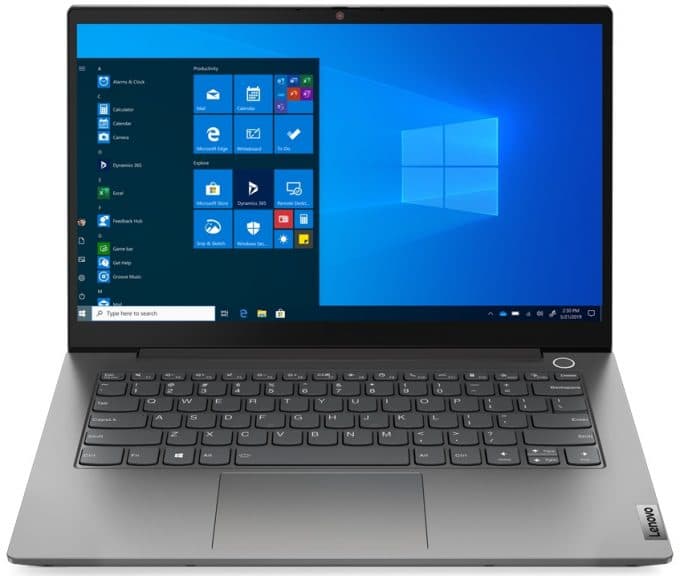
Lenovo · ThinkBook
Intel Core i7-1165G7 · 8GB RAM · 256GB SSD
14" · Windows 11 Pro
S$485.00
From S$41/mo
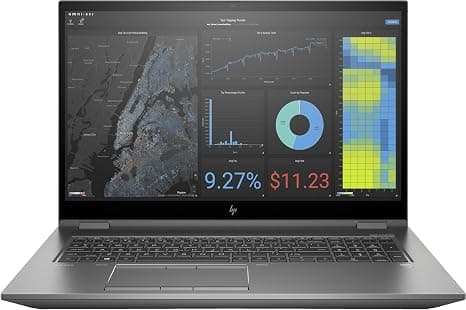
HP · ZBook
Intel Xeon W-10855M · 32GB RAM · 1TB SSD
17.3" · 4K UHD Touch · Windows 11 Pro
Dedicated graphicsS$1,075.00
From S$90/mo
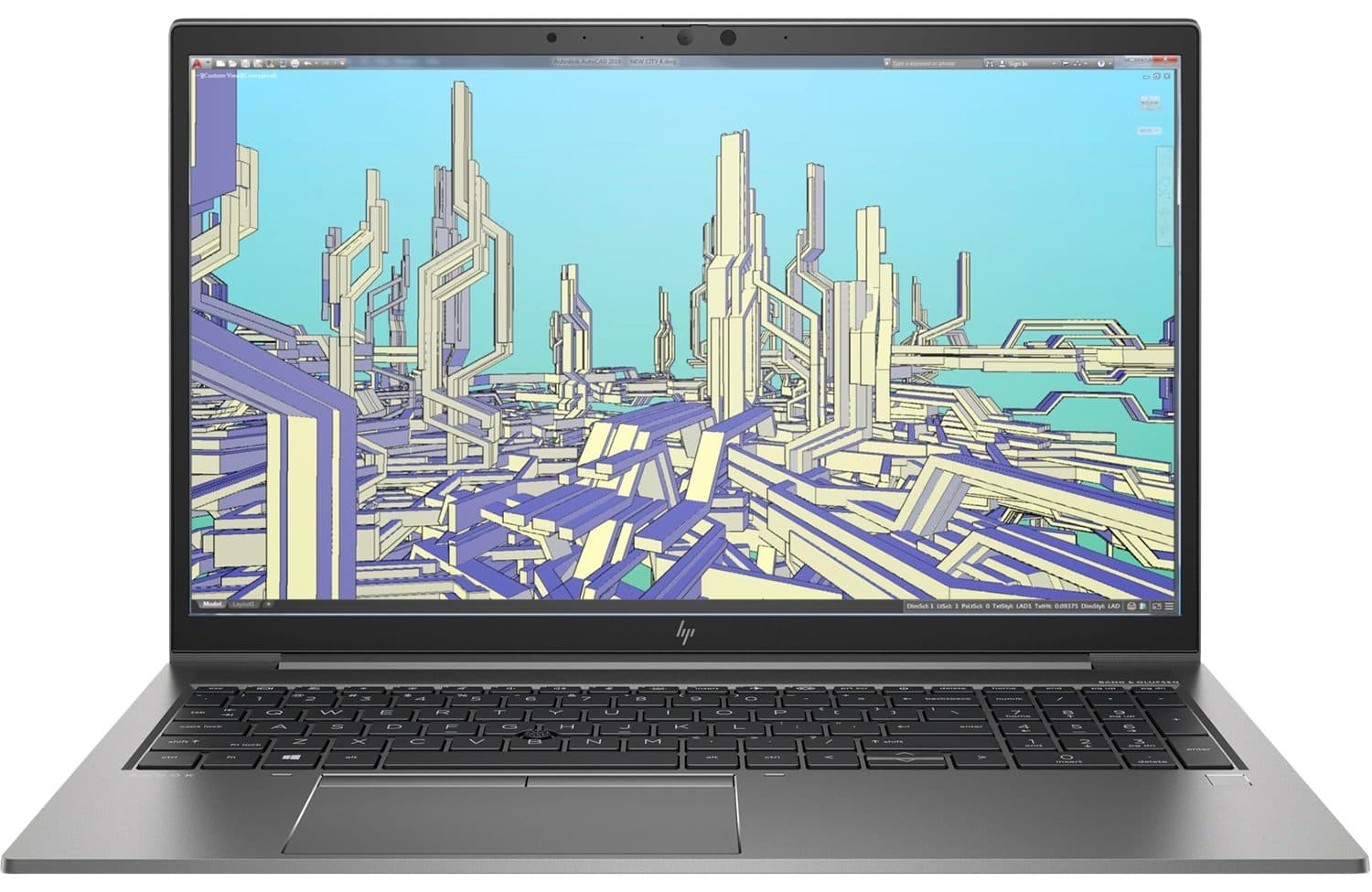
HP · ZBook
Intel Core i7-1165G7 · 32GB RAM · 512GB SSD
15.6" · Windows 11 Pro
Dedicated graphicsS$765.00
From S$64/mo
Flikgear currently uses a structured 45-Step Quality Check covering these areas before eligible laptops are listed.
That is the sort of process buyers should look for.
Not necessarily the number 45 specifically.
The point is that the seller can explain what "refurbished" actually involved.
You may see:
Private used laptop: S$380
and
Refurbished version: S$470
Same model.
Same RAM.
Same SSD.
Why pay more?
Potential reasons include:
You are partly paying for the laptop.
You are also paying for somebody else to take on part of the inspection and post-sale risk.
Whether that is worth S$90 depends on you.
An experienced technician may happily buy privately.
A parent buying a daughter's laptop for poly may prefer the additional protection.
Both decisions can make sense.
Open-box usually describes a product whose original packaging has been opened but which has seen little or no ordinary ownership use.
Possible reasons include:
For example, major electronics retailers describe open-box items as products that may have been customer returns or display products and that are inspected before resale.
Again, seller definitions vary.
Do not assume open-box automatically means:
"Brand new except someone touched the box."
Check.
Not automatically.
Open-box often has an advantage in:
Refurbished may have an advantage in:
Imagine:
Laptop A is newer.
Laptop B may be more useful.
The label still does not decide the winner.
Manufacturer refurbished means the device was refurbished through a programme run by the original manufacturer.
These programmes typically define their own:
For example, Apple's Singapore Certified Refurbished programme currently states that its products receive full functional testing and a one-year warranty.
Manufacturer refurbishment can provide strong reassurance.
The trade-off is often price.
You may pay more than you would through an independent refurbisher.
Neither is automatically superior in every situation.
The important thing is transparency.
A good independent seller should tell you what you are getting rather than trying to imitate a manufacturer's certification.
Generally, a properly refurbished laptop with written warranty and return terms carries less buyer risk than an ordinary private used purchase.
But notice the word:
properly.
A badly refurbished laptop from an unreliable seller can be riskier than buying an excellent machine directly from a careful private owner.
That is why you should compare:
Not only the category name.
Normally:
Private used
tends to offer the lowest entry price.
Then often:
Independent refurbished
followed by:
Open-box or manufacturer refurbished
But there are plenty of exceptions.
Clearance sales, cosmetic grades, older inventory and stock availability can completely change the order.
Do not build your entire buying strategy around what each label "should" cost.
Compare the actual machines.
This is where the categories can differ significantly.
Battery condition depends entirely on the previous owner's usage.
Battery should ideally be assessed and disclosed.
It may still be used.
Some laptops may receive replacement batteries.
Battery may have relatively little use, but calendar age still matters.
Battery standards depend on that manufacturer's refurbishment programme.
Whatever category you buy, ask for actual battery information where available.
If battery is important to you, read our Used Laptop Battery Health: What Percentage Is Good? guide.
Could range from nearly perfect to looking like it survived three group projects and a fall down the stairs.
Should ideally have a defined cosmetic grade.
Usually expected to show relatively little wear.
Usually follows programme-specific cosmetic standards.
At Flikgear, cosmetic condition and functional testing are treated separately.
An Excellent Refurbished laptop should look cleaner than a Good Refurbished laptop.
Both should still pass the applicable functional checks.
That distinction matters.
A scratch is not the same thing as a broken HDMI port.
This may be the biggest practical difference.
Often sold as-is.
Often includes a seller warranty.
Usually follows retailer-specific warranty or returns terms.
Usually includes programme-specific manufacturer coverage.
Read the terms carefully.
Do not stop at:
"6 months warranty."
Ask:
A warranty is useful only when you understand it.
A private used sale may have no return period at all.
That is normal for many peer-to-peer transactions.
It also means your inspection before payment becomes much more important.
A retailer or refurbisher may provide a defined return window.
Again, check the conditions.
Do not assume:
"Retailer = I can return it for any reason whenever I want."
Read the policy before purchase, not during the argument.
For many students, we would lean toward:
properly refurbished
or
open-box
rather than private used.
Why?
Because the laptop may be needed every day for:
Downtime matters.
Warranty and local support have real value.
Students with a tight budget should also look at our Best Refurbished Laptops Under S$500 in Singapore guide and Student Laptop Guide.
For companies, consistency matters.
A private marketplace purchase may save money on one device.
It becomes much less appealing when you need:
Refurbished business-class machines can make more sense because procurement becomes repeatable.
We will cover this separately in our Refurbished Business Laptops for Singapore SMEs guide.
Potentially used.
If you can:
you may be comfortable taking the extra risk.
Just do not confuse:
"I know what I am doing"
with:
"The seller said trust me bro."
Still test the laptop.
Refurbished is particularly interesting at this budget.
Why?
Because you may be able to buy a former business-class laptop with:
instead of a very basic new machine.
Private used can be cheaper still, but support is usually weaker.
Open-box machines below S$500 may be newer, but they can also be entry-level configurations.
Compare the complete specification.
| You care most about | Usually worth exploring first |
|---|---|
| Lowest possible price | Used |
| Balance of price and protection | Refurbished |
| Near-new physical condition | Open Box |
| Manufacturer-backed process | Manufacturer Refurbished |
| Strong business specifications on a budget | Refurbished |
| Newer battery | Open Box |
| Wide choice below S$500 | Used or Refurbished |
| Local after-sales support | Retailer Refurbished |
| Minimal cosmetic wear | Open Box or Like New Refurbished |
| Maximum bargain hunting | Used |
"Usually" is doing some heavy lifting in this table.
Always compare the actual product.
If you remember nothing else from this article, ask these four questions:
Model, processor, RAM, SSD, screen and graphics.
Not "good".
Actual photos and actual notes.
Ask the seller to explain the process.
Warranty, returns and support.
Those four answers tell you more than the label.
Imagine these three listings.
Private owner.
Excellent condition.
95% battery health.
Full receipt.
Careful owner.
S$500.
Mystery stock photo.
No battery information.
No clear warranty wording.
S$520.
Nearly unused.
8GB RAM soldered.
256GB SSD.
S$650.
Which is best?
You still cannot answer.
You need to know what you are using it for.
That is the entire lesson.
Used, refurbished and open-box describe the buying path.
They do not automatically tell you whether the laptop is good value.
Flikgear's process focuses on reducing the unknowns buyers normally face when purchasing used technology.
Current Flikgear product and guide standards include:
You can see the full process in Why Flikgear? How We Prepare and Sell Refurbished Laptops and the Flikgear 45-Step Quality Check.
Not automatically, but properly refurbished laptops generally come with more testing, clearer condition information and better after-sales protection than ordinary private used sales.
No. Open-box usually means the packaging has been opened and the product may have been returned or used as a display unit. Refurbished usually means the device has gone through a preparation and testing process before resale.
Sometimes it is very close to new, but do not assume. Check why the product is open-box, its warranty, accessories, battery and cosmetic condition.
No. A refurbished laptop may have had parts replaced, but it may simply have been inspected, cleaned, tested and prepared for resale.
It can be a good way to get a low price if you are comfortable inspecting the laptop yourself and accepting limited post-sale protection.
Manufacturer programmes can provide strong testing and warranty standards, but they may cost more. A reputable independent refurbisher can also offer strong value when the testing, condition and warranty are transparent.
Choose used if you want the lowest price and are comfortable doing more of the inspection yourself.
Choose refurbished if you want a balance between savings, testing, condition disclosure and warranty support.
Choose open-box if near-new condition matters and the price is still meaningfully below new.
Choose manufacturer refurbished if you value the manufacturer's own process and warranty enough to pay the premium.
But do not buy any of them because of the label alone.
Buy the laptop that gives you:
That is the difference that actually matters.
About the Author
Zac GJ, Flikgear
Flikgear - Singapore's trusted refurbished laptop brand